
Articles & Case Studies
Expert insights on claims documentation, dispute resolution, and large-loss property investigations — plus real-world case studies from CDS projects nationwide.
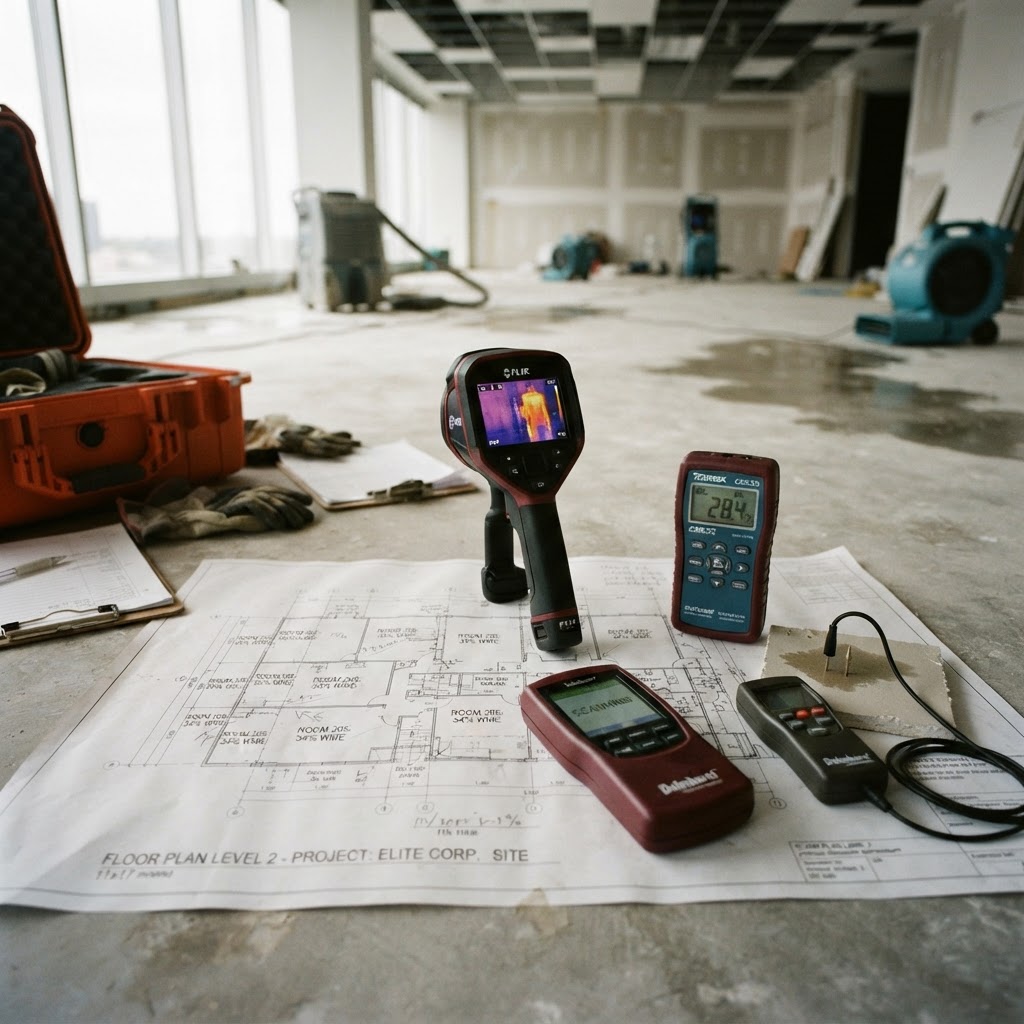
Interior Moisture Mapping: Why Methodology Matters
Interior moisture mapping is the foundation of defensible water damage documentation. This article walks through the methodology, instrumentation, and deliverables that make professional moisture mapping the standard for large interior water loss claims.
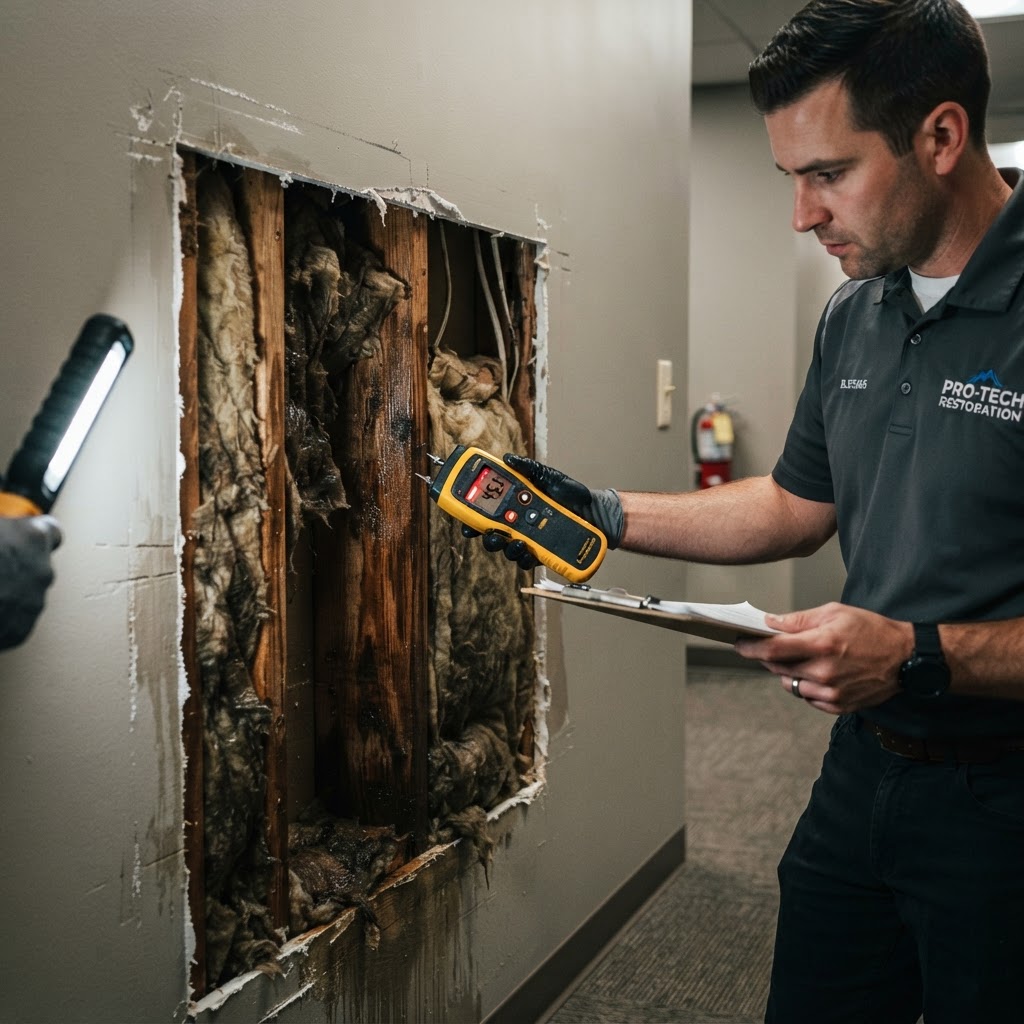
Hidden Moisture in Building Assemblies: Trace Moisture Documentation
Trace moisture behind drywall, under flooring, and within wall cavities drives secondary damage long after the visible water is gone. This article explains the science of hidden moisture, the instruments used to detect it, and how to document it for defensible claims.
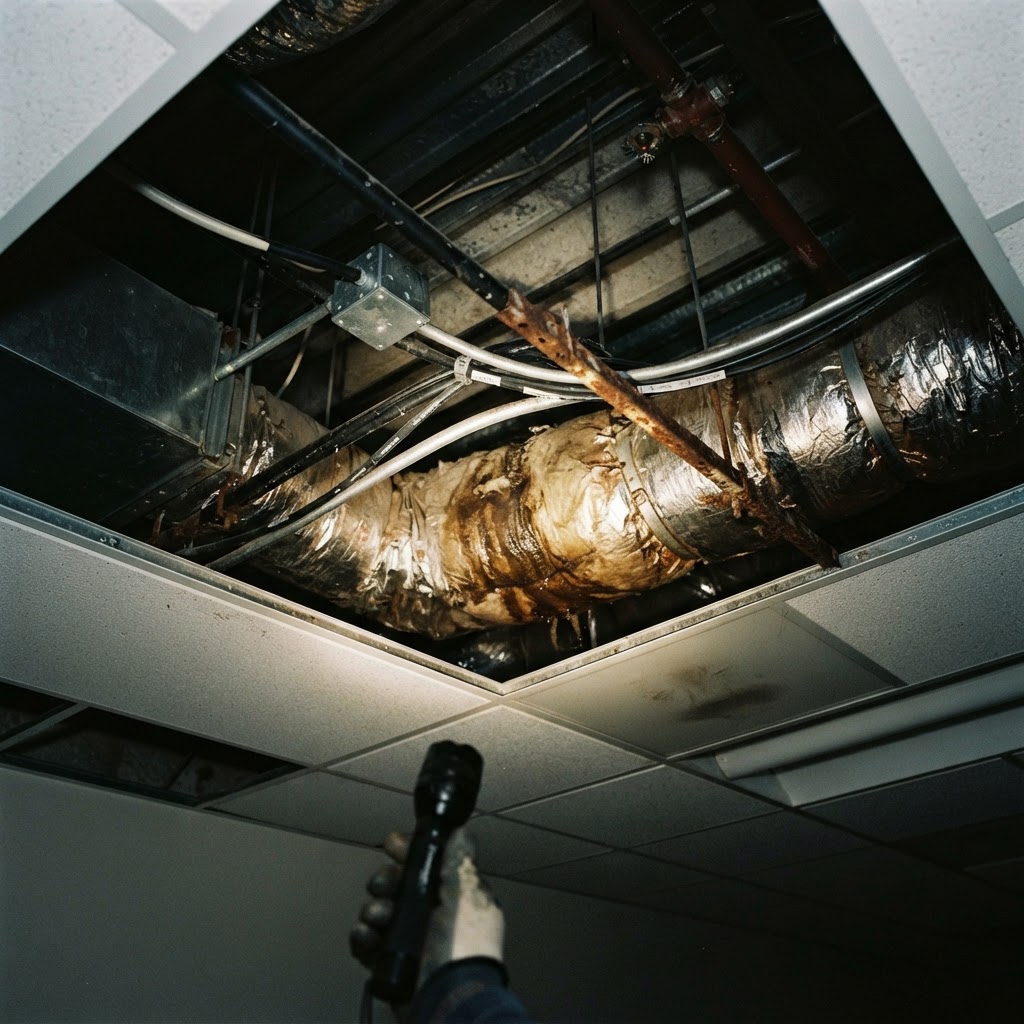
Documenting Ceiling Plenum Moisture in Commercial Losses
Ceiling plenums in commercial buildings hide moisture damage that routinely goes undocumented — wet insulation, saturated ductwork, corroded electrical, and structural framing. This article explains what to document and why it matters for large commercial claims.
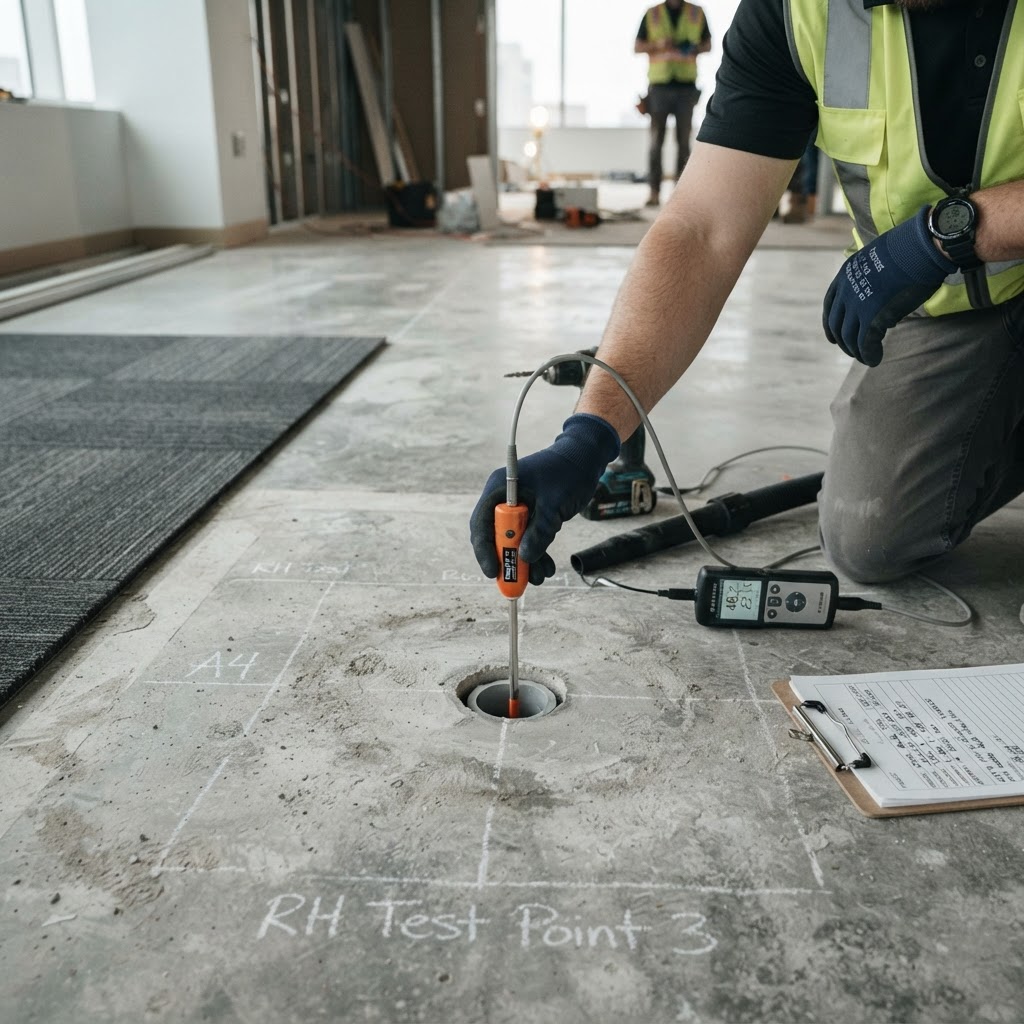
Concrete Slab Moisture Testing in Flood and Flooring Claims
Concrete slabs are porous, slow to dry, and frequently the hidden source of flooring failures and ongoing moisture problems. This article explains ASTM F2170 and F1869 testing standards and how slab moisture documentation supports defensible claims.
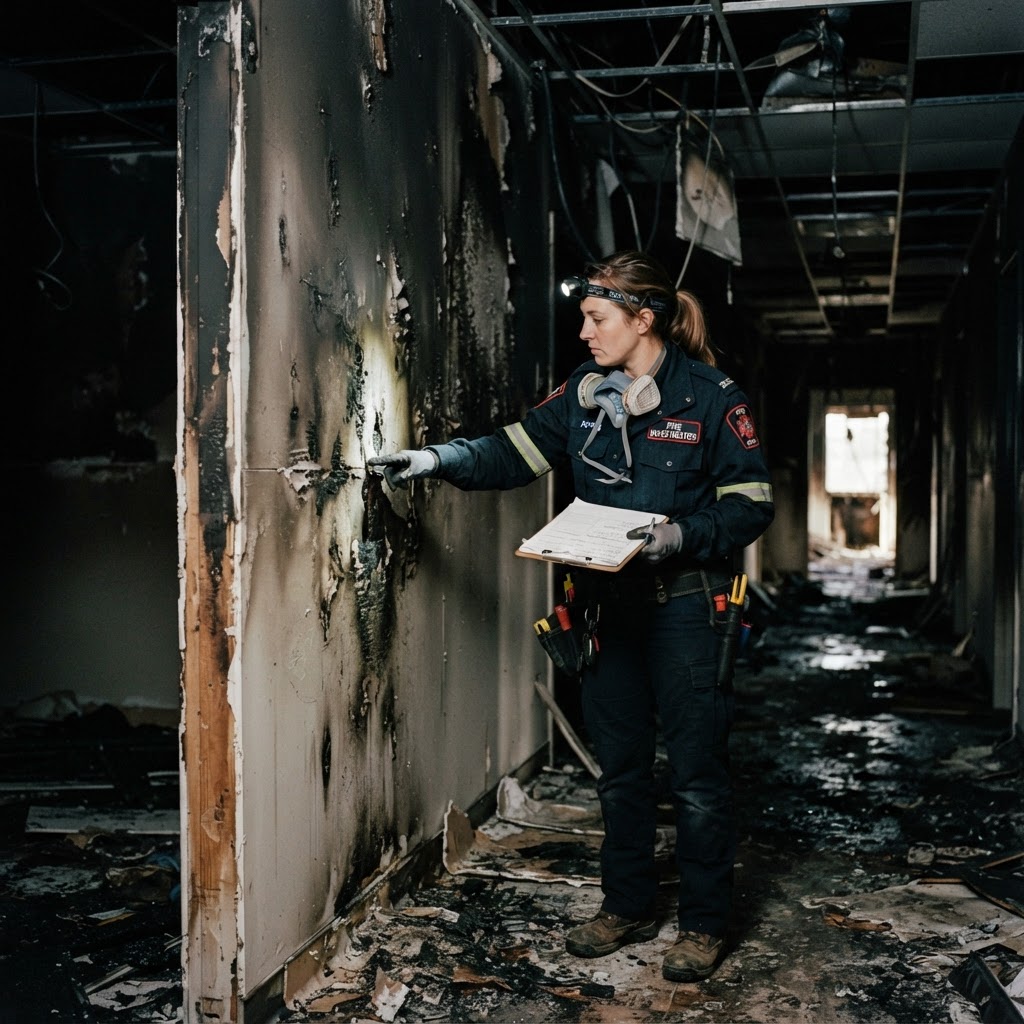
Fire Scoping: Looking Beyond the Origin Room
The fire origin room is where the damage starts — but smoke and combustion byproducts travel throughout the building through HVAC, wall cavities, and chases. This article explains comprehensive fire scoping methodology and what to document beyond the visible damage.
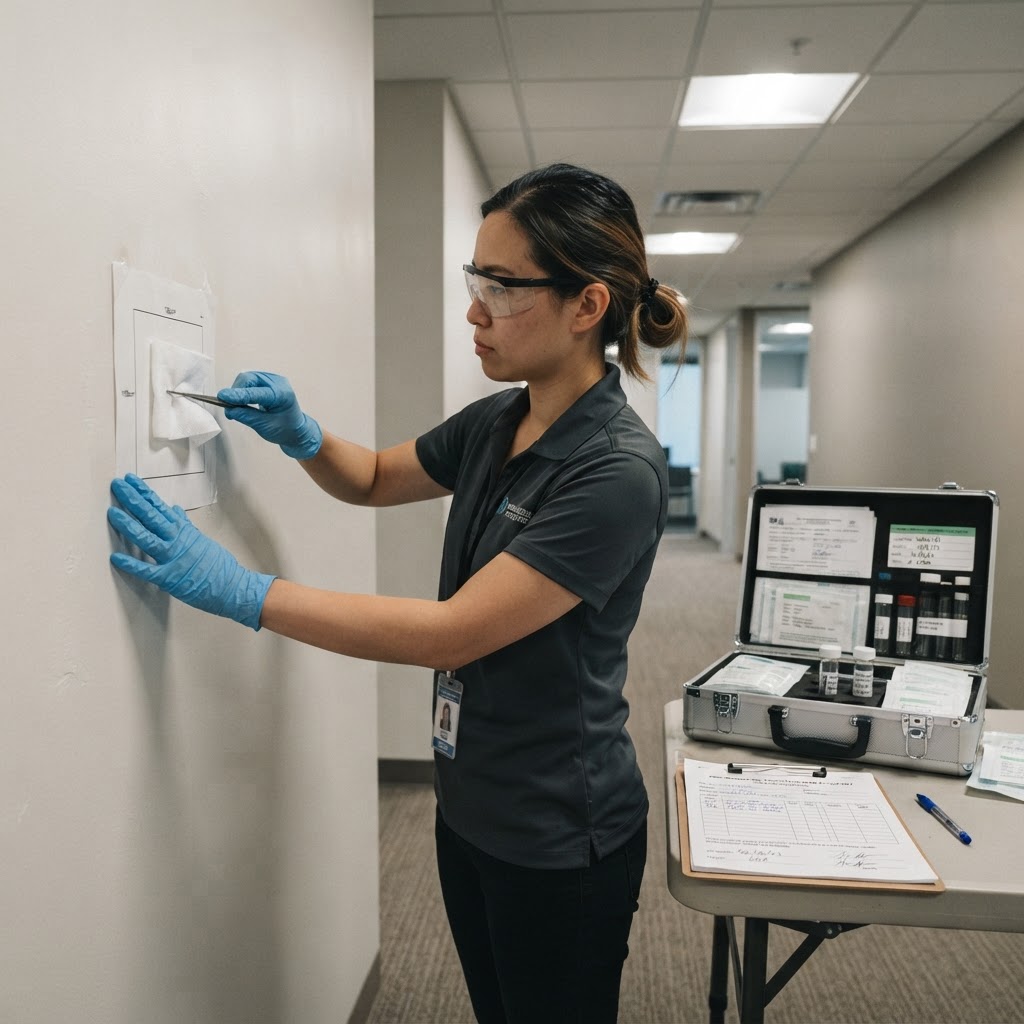
Char and Soot Residue Testing: The Case for Post-Remediation Verification
Visual inspection cannot verify that fire damage restoration is complete. Surface and air sampling for combustion byproducts provides the laboratory-confirmed evidence needed for defensible post-remediation verification (PRV) — protecting against recontamination and liability.
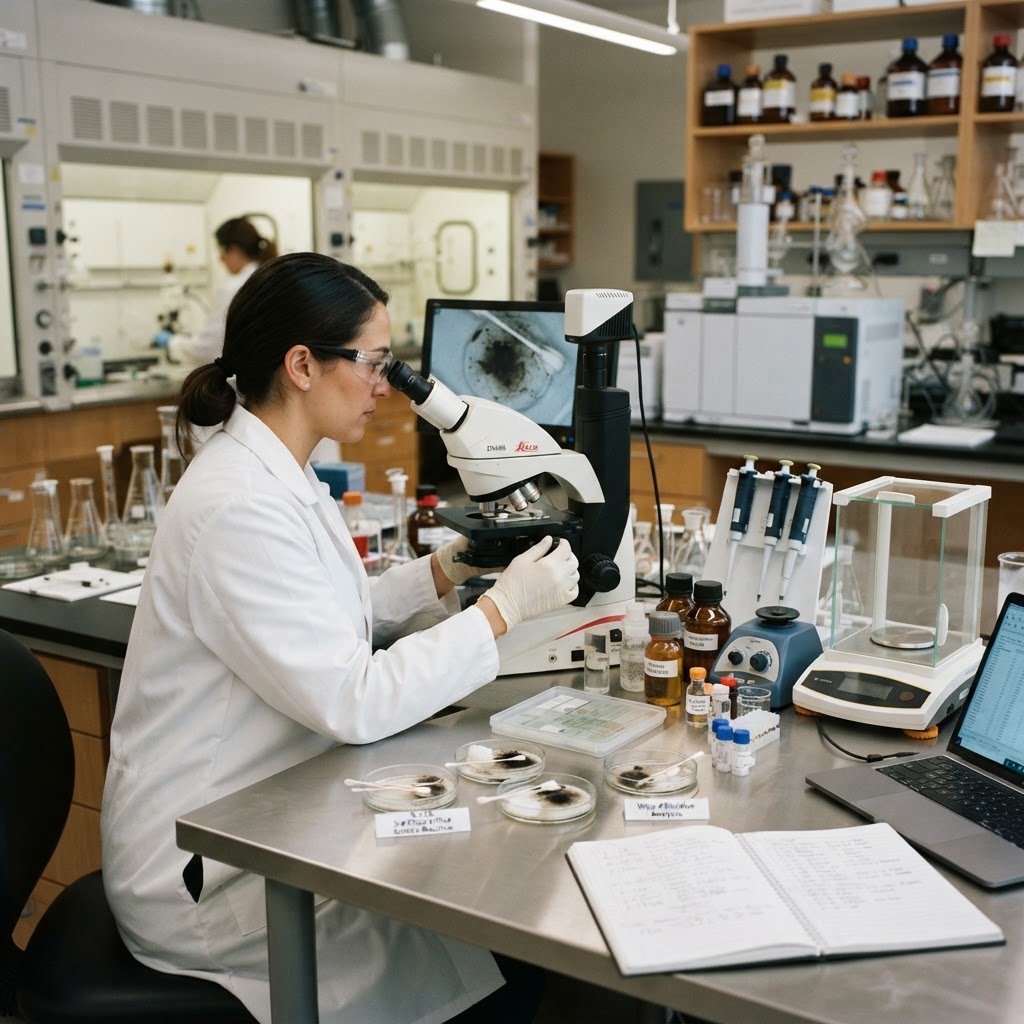
Smoke Residue Composition: Why Material Types Matter for Documentation
Different materials produce different smoke residues — protein, synthetic, cellulose, electrical — each requiring specific documentation and remediation. This article explains how residue composition affects claim scope and what to document.
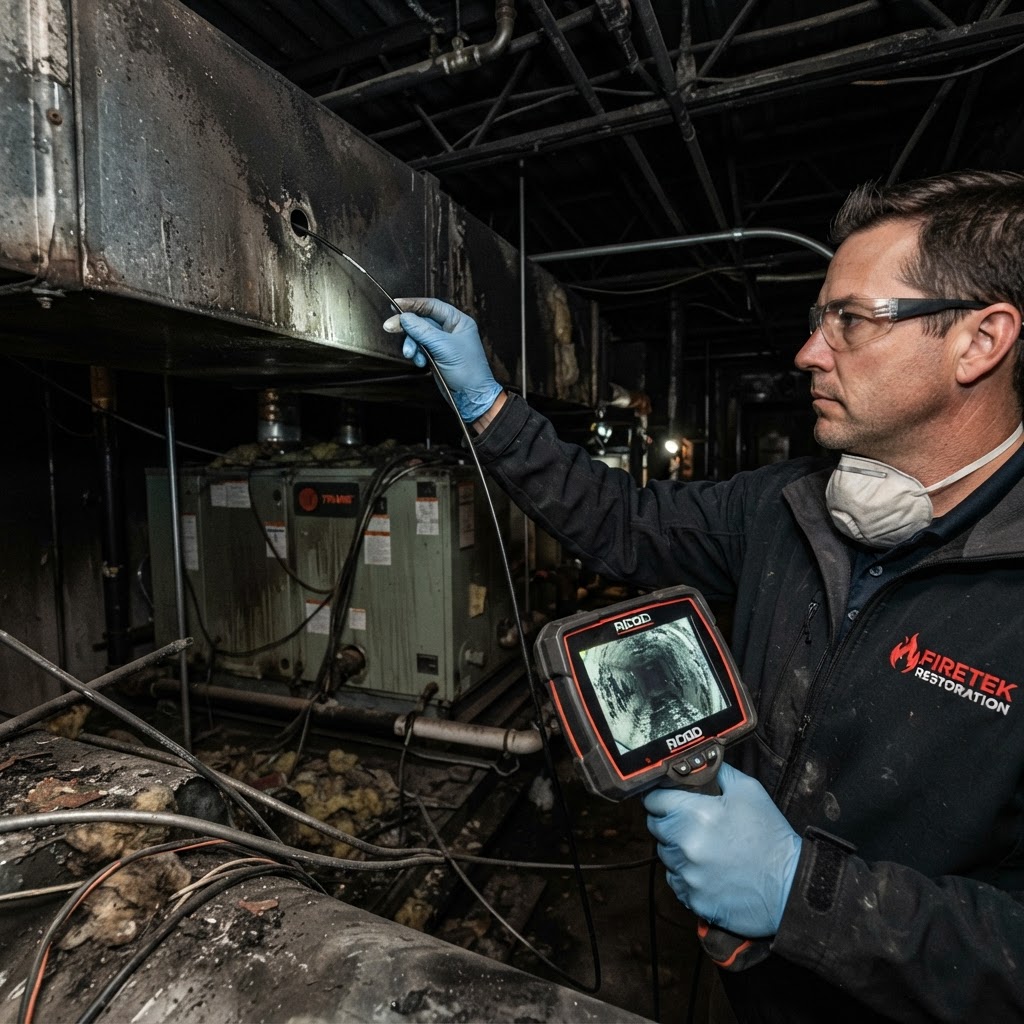
HVAC Contamination Documentation After Commercial Fires
HVAC systems are the primary distribution pathway for smoke in commercial fires — and the most overlooked scope item. This article explains how HVAC contamination spreads, what to document, and the standards that govern professional verification.

How AI and Advanced Technology Are Changing Large-Loss Claims Documentation
From AI-assisted scope generation to drone photogrammetry and real-time moisture monitoring, the tools available for large-loss claims documentation are evolving rapidly. Here's what's changing — and what it means for carriers, policyholders, and consultants.
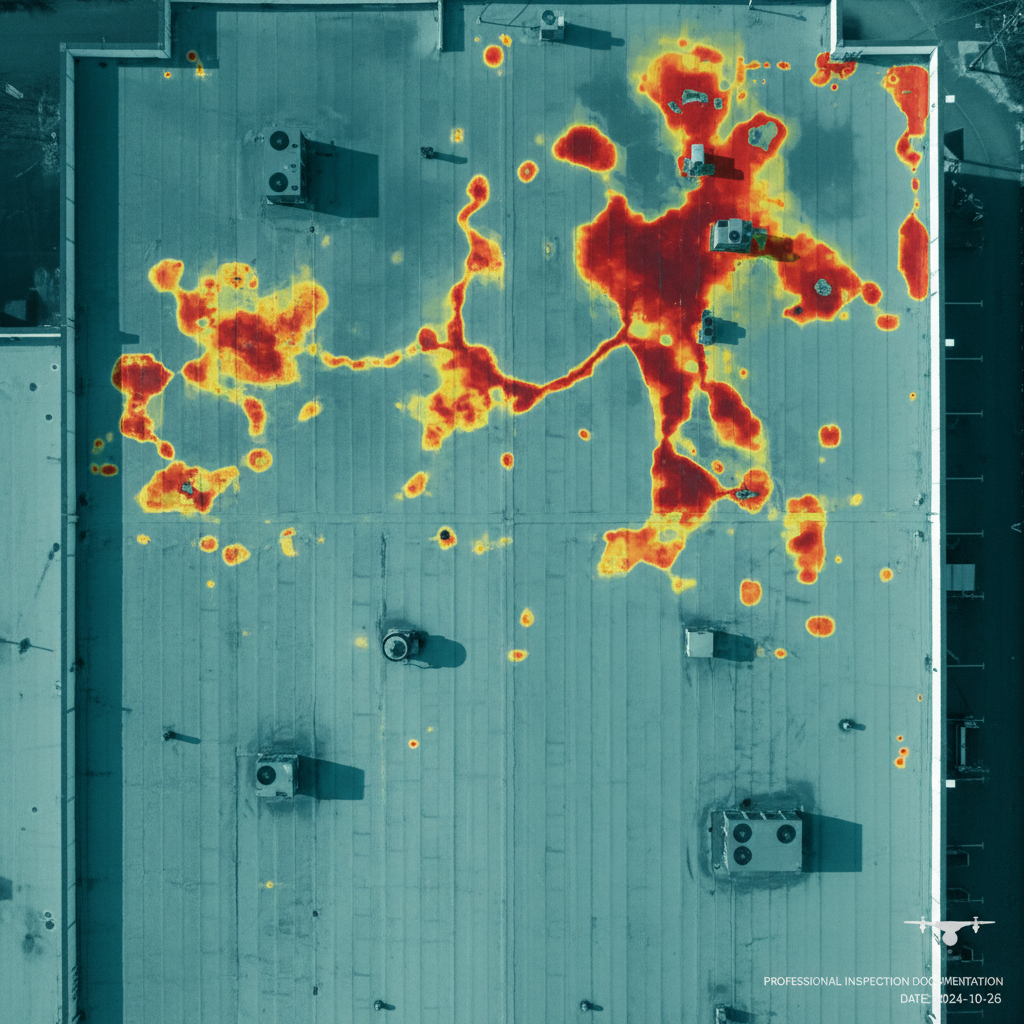
Understanding Roof Thermal Moisture Surveys: What Carriers Need to Know
Thermal drone surveys are rapidly becoming the standard for large commercial roof moisture investigations. This article explains the science, methodology, and evidentiary value of radiometric thermal imaging for property insurance claims.

From Loss to Settlement: How the Commercial Claims Process Works
Navigating a large commercial property claim involves multiple stages, stakeholders, and decision points. This guide walks through the complete process — from initial loss notification through final settlement — and explains where expert documentation makes the difference.
The Appraisal Process Explained: A Guide for Commercial Policyholders
When a claim valuation dispute arises, the appraisal process can be the most efficient path to resolution. We break down every step, from invocation to award, and explain what policyholders need to know.
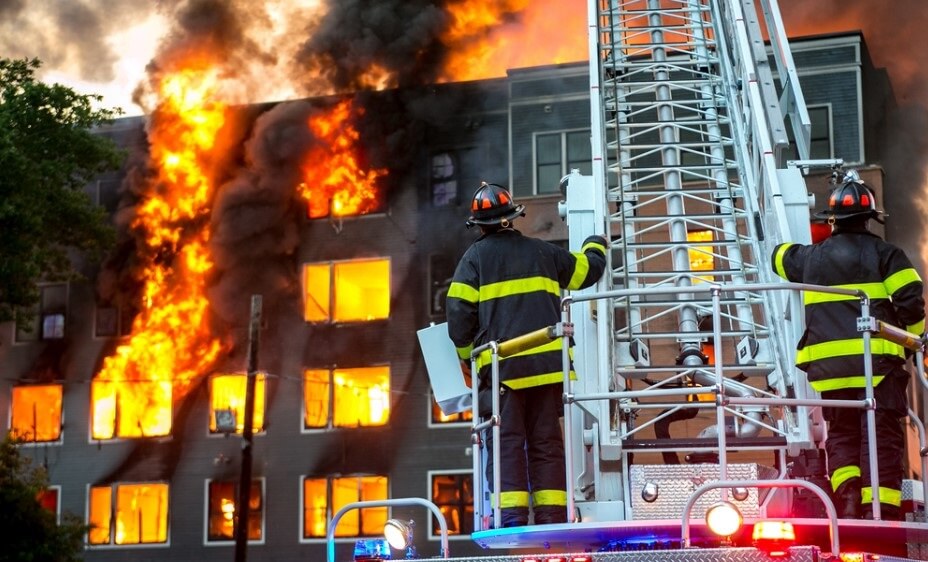
Smoke Damage Beyond the Fire Room: Why IH Investigation Matters
In large commercial fire events, smoke contamination routinely extends well beyond the origin room — through HVAC systems, wall cavities, and floor assemblies. Learn why industrial hygiene investigation is critical to accurate claim valuation.
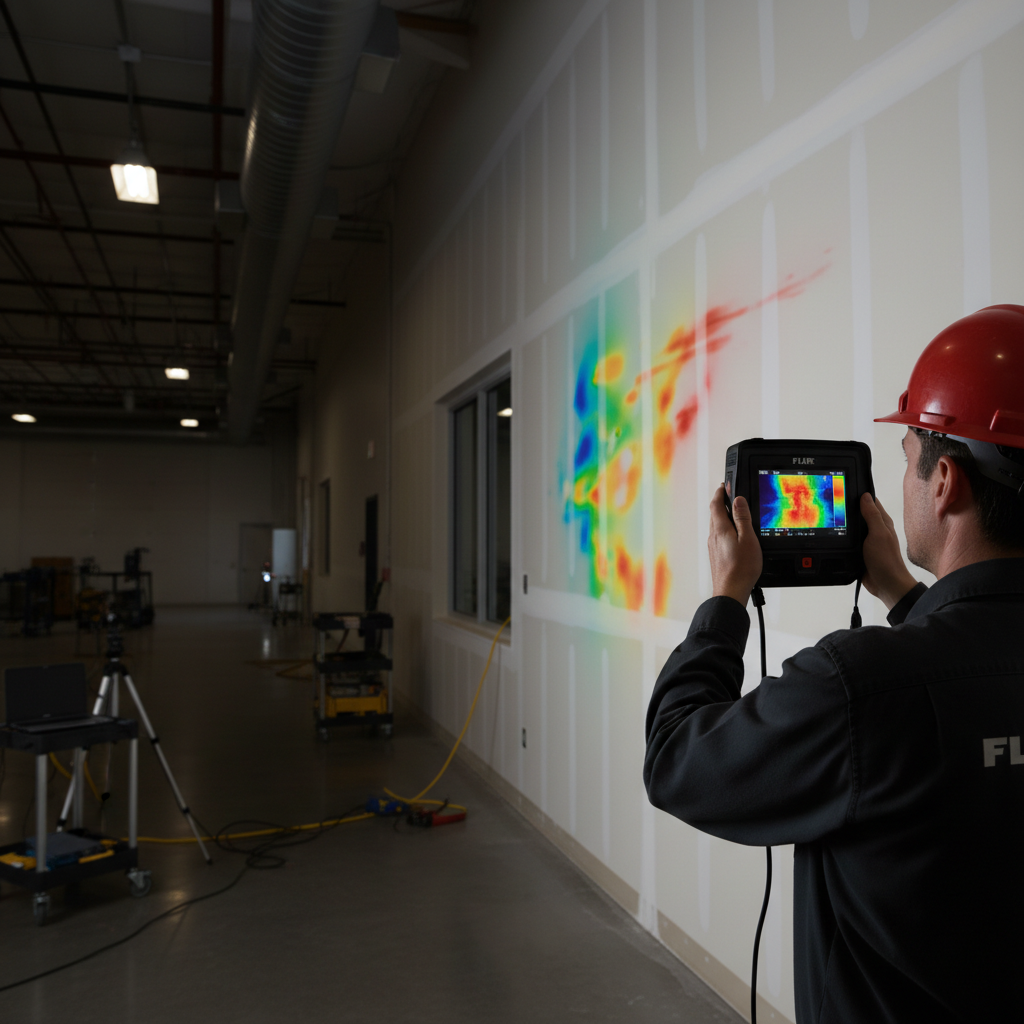
Moisture Mapping 101: How Thermal Imaging and Moisture Meters Work Together
Effective moisture investigation combines thermal imaging with pin and non-invasive moisture meters to document the full extent of water intrusion. Here's how these two methods complement each other on a large commercial claim.